
The Struggles Behind the Spotlight: What Creatives Still Face
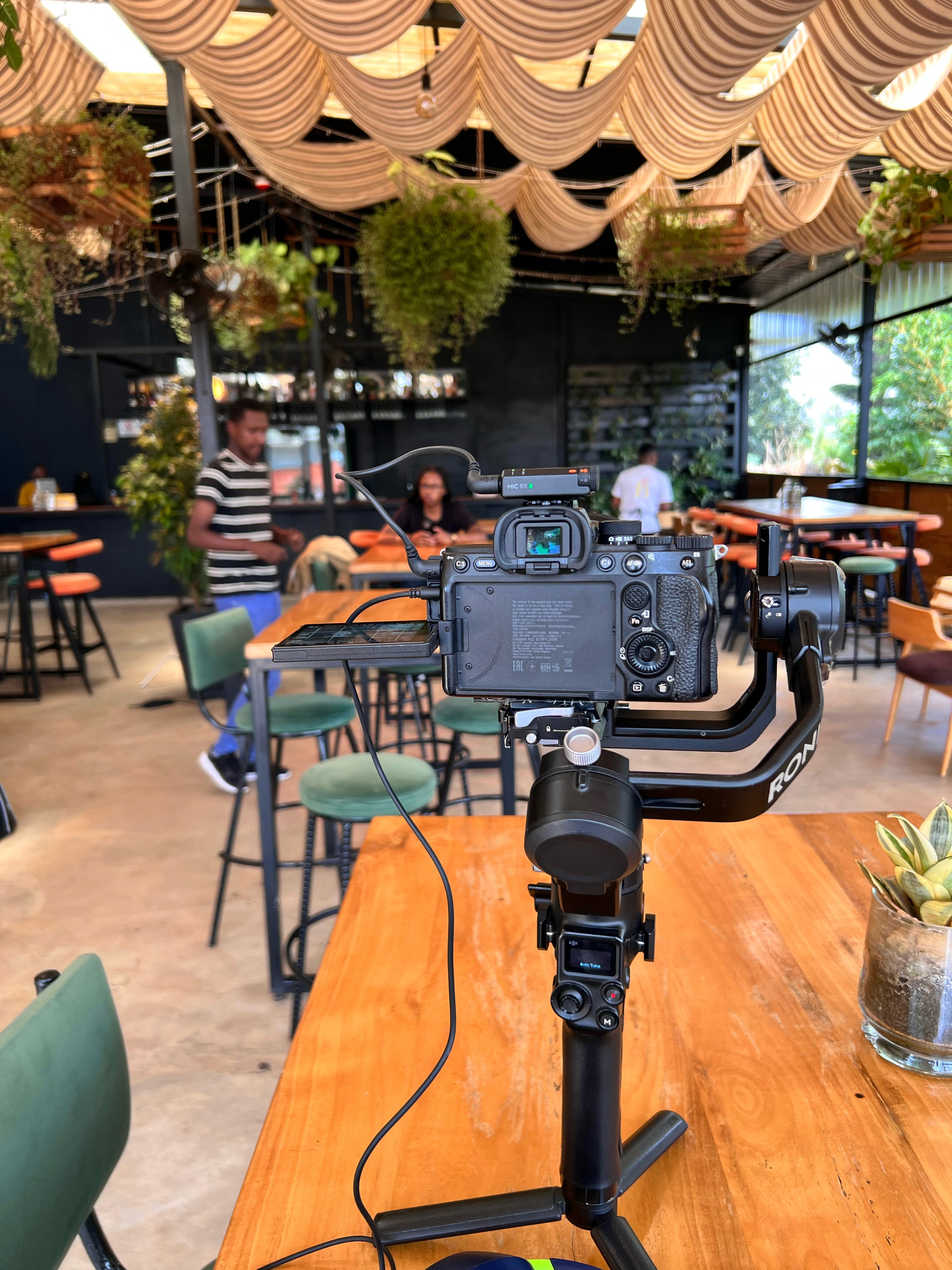
When we think of creatives like musicians, filmmakers, designers, writers, photographers, and artists of all kinds, we often picture the end result: the glamorous performances, the captivating art and design, the applause, and the praise but behind every post, viral video, or celebrated exhibition lies a reality that rarely makes the headlines.The truth is, being a creative today still comes with a set of unique and pressing challenges that people don’t usually talk about.
1.“The Financial Hustle” Explained
Here are a few examples to elaborate more on how creatives experience the financial hustle and what the financial hustle truly is:
A Visual Artist in Kigali
A painter is invited to exhibit at a local art gallery. The gallery charges them for space rental but promises that “important people will see your work.” After a week-long exhibit, the artist sells one small painting barely enough to cover transportation and printing costs for their promotional materials. The promised “exposure” doesn’t result in any new clients or people purchasing their products.
A Freelancer Photographer
A photographer is asked to shoot a friend’s wedding “as a favor” and is offered a minimum revenue for a full day of work including editing. After transportation, meals, and time spent retouching hundreds of photos and is paid less than what it costs to do the job. The couple shares the photos online with no credit to the photographer.
A Musician
A singer is asked to perform at a corporate event. The company has the budget to pay for decorations, catering, and media coverage but offers the artist just a “thank you” and a free meal. They tell the artist, “This is a great platform, maybe someone important will notice you.”
The "Financial hustle" means constantly working hard, often without steady or fair pay, while still trying to survive and grow in a career that people sometimes don’t fully value financially.This isn’t just a hustle,it’s exploitation disguised as opportunity which has become so normalized in today’s world.
2. Mental Health & Burnout ,The Silent Struggle
Being creative is rewarding but it can also be mentally draining because of the:
Constant Pressure to Perform
Creatives often feel like they always need to be producing something new or better,whether it’s music, art, content, or ideas. This pressure to be constantly "on" can wear people down over time, especially when there are no breaks or recognition.
Perfectionism & Self-Doubt
Many creatives are their own toughest critics. They’ll redo work again and again trying to make it perfect. Even when others love the work, the creative might feel it’s “not good enough.” This internal pressure creates stress, anxiety, and emotional fatigue.
Deadlines & Demands
Whether someone is working for their clients or running their own brands, creatives often deal with tight deadlines and high expectations. Balancing creativity with time pressure can make the work feel like a burden instead of a passion.
Social Media Comparison
Platforms like Instagram, TikTok, and YouTube are filled with highlight reels of others' success. It’s easy for creatives to compare themselves and feel like they’re falling behind even if they’re doing well. This comparison culture can damage self-esteem and motivation.
Mental health struggles and burnout are common in the creative world but often go unseen and a burnout makes someone mentally, emotionally, and physically drained from constant stress,leading to lost motivation, inspiration, and joy in the work they once loved.Since creativity is deeply personal, burnout often feels like a personal failure, even though it’s caused by unrealistic pressures and constant comparison.
3. Lack of Recognition & Support ,The Struggle to Be Taken Seriously.
In many places, especially in emerging markets like Rwanda ,creative work is still not widely seen as a “real job” .This mindset creates several problems for artists, designers, musicians, and other creatives.
Art as a “Hobby,” Not a Career.
Many people see creative work as something you do on the side for fun and not something to build a life or income around because of this belief, creatives are often not respected the same way as any other profession.
Social Pressure and Doubt
A young creative may face pressure from family or community to choose a “serious” career. They might hear things like:
“When will you get a real job?”
“How will you survive drawing or singing?”
This leads many creatives to doubt themselves or feel isolated and unsupported in their passion and their journey.
Limited Institutional Support
When art isn't valued, institutions like governments, schools, and sponsors don’t invest in it. This means there are few grants or funding opportunities, lack of access to art programs or spaces and weak or nonexistent copyright protection .Without this support, many creatives struggle to grow or protect their work.
Being Heard Is Hard
Even when creatives produce high-quality work, it can be hard to get attention or respect if the society around them doesn’t see their work as important or impactful. As a result, talented individuals are often overlooked, underpaid, or expected to work for free.
When creativity isn't respected or supported, it becomes harder for creatives to survive, grow, or make an impact. Recognition isn’t just about applause,it’s about being treated as a professional, with fair pay, legal protection, and the tools needed to succeed.
4. Access to Resources & Opportunities ,The Hidden Barriers
Expensive Tools
Creative work often requires equipment like cameras, laptops, software, instruments, or studio space. These are costly and not easily available to everyone, especially beginners or those from low income backgrounds.
Closed Circles
Sometimes, creative industries are dominated by small groups of well connected people. If you’re not already in that circle or don’t have someone to introduce you and have some connections it's hard to break in, no matter how skilled you are.
Less Visibility
Without access to platforms or networks, many creatives struggle to gain exposure. Their work remains unseen, their talent unrecognized, and their opportunities limited not because they aren’t good, but because they aren’t in the right places mostly geographically.
Lack of exposure and networking means many creatives remain invisible not because they lack talent, but because they lack access.
5. Balancing Art with Commercial Demands. Surviving vs Staying True
Creatives often find themselves caught between two worlds: creating what they love and creating what sells while passion fuels their work, making a living often requires adjusting their style, message, or originality to fit market trends or client expectations.
Art vs. Income
Sometimes, what clients or audiences are willing to pay for doesn’t align with the artist’s true vision. To earn money, a creative may have to follow popular styles, repeat what's already working, or create content that feels “safe” or marketable even if it doesn’t fully express who they are or what they want to accomplish.
Losing Authenticity
Over time, constantly adjusting for commercial success can water down an artist’s unique voice. They may feel like they’re no longer creating from the heart, but just producing what’s expected. This can lead to frustration, burnout, and a sense of disconnect from their own work and what they believe in.
The Ongoing Struggle
Striking a balance between creativity and survival is one of the hardest parts of being a working artist. Many dream of doing meaningful, personal work but the need to pay bills and please clients often takes priority.
Creatives must constantly choose between expressing their true artistic voice and adapting to commercial demands and this balancing act can be emotionally and creatively draining.
When we think of creatives like musicians, filmmakers, designers, writers, photographers, and artists of all kinds, we often picture the end result: the glamorous performances, the captivating art and design, the applause, and the praise but behind every post, viral video, or celebrated exhibition lies a reality that rarely makes the headlines.The truth is, being a creative today still comes with a set of unique and pressing challenges that people don’t usually talk about.
1.“The Financial Hustle” Explained
Here are a few examples to elaborate more on how creatives experience the financial hustle and what the financial hustle truly is:
A Visual Artist in Kigali
A painter is invited to exhibit at a local art gallery. The gallery charges them for space rental but promises that “important people will see your work.” After a week-long exhibit, the artist sells one small painting barely enough to cover transportation and printing costs for their promotional materials. The promised “exposure” doesn’t result in any new clients or people purchasing their products.
A Freelancer Photographer
A photographer is asked to shoot a friend’s wedding “as a favor” and is offered a minimum revenue for a full day of work including editing. After transportation, meals, and time spent retouching hundreds of photos and is paid less than what it costs to do the job. The couple shares the photos online with no credit to the photographer.
A Musician
A singer is asked to perform at a corporate event. The company has the budget to pay for decorations, catering, and media coverage but offers the artist just a “thank you” and a free meal. They tell the artist, “This is a great platform, maybe someone important will notice you.”
The "Financial hustle" means constantly working hard, often without steady or fair pay, while still trying to survive and grow in a career that people sometimes don’t fully value financially.This isn’t just a hustle,it’s exploitation disguised as opportunity which has become so normalized in today’s world.
2. Mental Health & Burnout ,The Silent Struggle
Being creative is rewarding but it can also be mentally draining because of the:
Constant Pressure to Perform
Creatives often feel like they always need to be producing something new or better,whether it’s music, art, content, or ideas. This pressure to be constantly "on" can wear people down over time, especially when there are no breaks or recognition.
Perfectionism & Self-Doubt
Many creatives are their own toughest critics. They’ll redo work again and again trying to make it perfect. Even when others love the work, the creative might feel it’s “not good enough.” This internal pressure creates stress, anxiety, and emotional fatigue.
Deadlines & Demands
Whether someone is working for their clients or running their own brands, creatives often deal with tight deadlines and high expectations. Balancing creativity with time pressure can make the work feel like a burden instead of a passion.
Social Media Comparison
Platforms like Instagram, TikTok, and YouTube are filled with highlight reels of others' success. It’s easy for creatives to compare themselves and feel like they’re falling behind even if they’re doing well. This comparison culture can damage self-esteem and motivation.
Mental health struggles and burnout are common in the creative world but often go unseen and a burnout makes someone mentally, emotionally, and physically drained from constant stress,leading to lost motivation, inspiration, and joy in the work they once loved.Since creativity is deeply personal, burnout often feels like a personal failure, even though it’s caused by unrealistic pressures and constant comparison.
3. Lack of Recognition & Support ,The Struggle to Be Taken Seriously.
In many places, especially in emerging markets like Rwanda ,creative work is still not widely seen as a “real job” .This mindset creates several problems for artists, designers, musicians, and other creatives.
Art as a “Hobby,” Not a Career.
Many people see creative work as something you do on the side for fun and not something to build a life or income around because of this belief, creatives are often not respected the same way as any other profession.
Social Pressure and Doubt
A young creative may face pressure from family or community to choose a “serious” career. They might hear things like:
“When will you get a real job?”
“How will you survive drawing or singing?”
This leads many creatives to doubt themselves or feel isolated and unsupported in their passion and their journey.
Limited Institutional Support
When art isn't valued, institutions like governments, schools, and sponsors don’t invest in it. This means there are few grants or funding opportunities, lack of access to art programs or spaces and weak or nonexistent copyright protection .Without this support, many creatives struggle to grow or protect their work.
Being Heard Is Hard
Even when creatives produce high-quality work, it can be hard to get attention or respect if the society around them doesn’t see their work as important or impactful. As a result, talented individuals are often overlooked, underpaid, or expected to work for free.
When creativity isn't respected or supported, it becomes harder for creatives to survive, grow, or make an impact. Recognition isn’t just about applause,it’s about being treated as a professional, with fair pay, legal protection, and the tools needed to succeed.
4. Access to Resources & Opportunities ,The Hidden Barriers
Expensive Tools
Creative work often requires equipment like cameras, laptops, software, instruments, or studio space. These are costly and not easily available to everyone, especially beginners or those from low income backgrounds.
Closed Circles
Sometimes, creative industries are dominated by small groups of well connected people. If you’re not already in that circle or don’t have someone to introduce you and have some connections it's hard to break in, no matter how skilled you are.
Less Visibility
Without access to platforms or networks, many creatives struggle to gain exposure. Their work remains unseen, their talent unrecognized, and their opportunities limited not because they aren’t good, but because they aren’t in the right places mostly geographically.
Lack of exposure and networking means many creatives remain invisible not because they lack talent, but because they lack access.
5. Balancing Art with Commercial Demands. Surviving vs Staying True
Creatives often find themselves caught between two worlds: creating what they love and creating what sells while passion fuels their work, making a living often requires adjusting their style, message, or originality to fit market trends or client expectations.
Art vs. Income
Sometimes, what clients or audiences are willing to pay for doesn’t align with the artist’s true vision. To earn money, a creative may have to follow popular styles, repeat what's already working, or create content that feels “safe” or marketable even if it doesn’t fully express who they are or what they want to accomplish.
Losing Authenticity
Over time, constantly adjusting for commercial success can water down an artist’s unique voice. They may feel like they’re no longer creating from the heart, but just producing what’s expected. This can lead to frustration, burnout, and a sense of disconnect from their own work and what they believe in.
The Ongoing Struggle
Striking a balance between creativity and survival is one of the hardest parts of being a working artist. Many dream of doing meaningful, personal work but the need to pay bills and please clients often takes priority.
Creatives must constantly choose between expressing their true artistic voice and adapting to commercial demands and this balancing act can be emotionally and creatively draining.
When we think of creatives like musicians, filmmakers, designers, writers, photographers, and artists of all kinds, we often picture the end result: the glamorous performances, the captivating art and design, the applause, and the praise but behind every post, viral video, or celebrated exhibition lies a reality that rarely makes the headlines.The truth is, being a creative today still comes with a set of unique and pressing challenges that people don’t usually talk about.
1.“The Financial Hustle” Explained
Here are a few examples to elaborate more on how creatives experience the financial hustle and what the financial hustle truly is:
A Visual Artist in Kigali
A painter is invited to exhibit at a local art gallery. The gallery charges them for space rental but promises that “important people will see your work.” After a week-long exhibit, the artist sells one small painting barely enough to cover transportation and printing costs for their promotional materials. The promised “exposure” doesn’t result in any new clients or people purchasing their products.
A Freelancer Photographer
A photographer is asked to shoot a friend’s wedding “as a favor” and is offered a minimum revenue for a full day of work including editing. After transportation, meals, and time spent retouching hundreds of photos and is paid less than what it costs to do the job. The couple shares the photos online with no credit to the photographer.
A Musician
A singer is asked to perform at a corporate event. The company has the budget to pay for decorations, catering, and media coverage but offers the artist just a “thank you” and a free meal. They tell the artist, “This is a great platform, maybe someone important will notice you.”
The "Financial hustle" means constantly working hard, often without steady or fair pay, while still trying to survive and grow in a career that people sometimes don’t fully value financially.This isn’t just a hustle,it’s exploitation disguised as opportunity which has become so normalized in today’s world.
2. Mental Health & Burnout ,The Silent Struggle
Being creative is rewarding but it can also be mentally draining because of the:
Constant Pressure to Perform
Creatives often feel like they always need to be producing something new or better,whether it’s music, art, content, or ideas. This pressure to be constantly "on" can wear people down over time, especially when there are no breaks or recognition.
Perfectionism & Self-Doubt
Many creatives are their own toughest critics. They’ll redo work again and again trying to make it perfect. Even when others love the work, the creative might feel it’s “not good enough.” This internal pressure creates stress, anxiety, and emotional fatigue.
Deadlines & Demands
Whether someone is working for their clients or running their own brands, creatives often deal with tight deadlines and high expectations. Balancing creativity with time pressure can make the work feel like a burden instead of a passion.
Social Media Comparison
Platforms like Instagram, TikTok, and YouTube are filled with highlight reels of others' success. It’s easy for creatives to compare themselves and feel like they’re falling behind even if they’re doing well. This comparison culture can damage self-esteem and motivation.
Mental health struggles and burnout are common in the creative world but often go unseen and a burnout makes someone mentally, emotionally, and physically drained from constant stress,leading to lost motivation, inspiration, and joy in the work they once loved.Since creativity is deeply personal, burnout often feels like a personal failure, even though it’s caused by unrealistic pressures and constant comparison.
3. Lack of Recognition & Support ,The Struggle to Be Taken Seriously.
In many places, especially in emerging markets like Rwanda ,creative work is still not widely seen as a “real job” .This mindset creates several problems for artists, designers, musicians, and other creatives.
Art as a “Hobby,” Not a Career.
Many people see creative work as something you do on the side for fun and not something to build a life or income around because of this belief, creatives are often not respected the same way as any other profession.
Social Pressure and Doubt
A young creative may face pressure from family or community to choose a “serious” career. They might hear things like:
“When will you get a real job?”
“How will you survive drawing or singing?”
This leads many creatives to doubt themselves or feel isolated and unsupported in their passion and their journey.
Limited Institutional Support
When art isn't valued, institutions like governments, schools, and sponsors don’t invest in it. This means there are few grants or funding opportunities, lack of access to art programs or spaces and weak or nonexistent copyright protection .Without this support, many creatives struggle to grow or protect their work.
Being Heard Is Hard
Even when creatives produce high-quality work, it can be hard to get attention or respect if the society around them doesn’t see their work as important or impactful. As a result, talented individuals are often overlooked, underpaid, or expected to work for free.
When creativity isn't respected or supported, it becomes harder for creatives to survive, grow, or make an impact. Recognition isn’t just about applause,it’s about being treated as a professional, with fair pay, legal protection, and the tools needed to succeed.
4. Access to Resources & Opportunities ,The Hidden Barriers
Expensive Tools
Creative work often requires equipment like cameras, laptops, software, instruments, or studio space. These are costly and not easily available to everyone, especially beginners or those from low income backgrounds.
Closed Circles
Sometimes, creative industries are dominated by small groups of well connected people. If you’re not already in that circle or don’t have someone to introduce you and have some connections it's hard to break in, no matter how skilled you are.
Less Visibility
Without access to platforms or networks, many creatives struggle to gain exposure. Their work remains unseen, their talent unrecognized, and their opportunities limited not because they aren’t good, but because they aren’t in the right places mostly geographically.
Lack of exposure and networking means many creatives remain invisible not because they lack talent, but because they lack access.
5. Balancing Art with Commercial Demands. Surviving vs Staying True
Creatives often find themselves caught between two worlds: creating what they love and creating what sells while passion fuels their work, making a living often requires adjusting their style, message, or originality to fit market trends or client expectations.
Art vs. Income
Sometimes, what clients or audiences are willing to pay for doesn’t align with the artist’s true vision. To earn money, a creative may have to follow popular styles, repeat what's already working, or create content that feels “safe” or marketable even if it doesn’t fully express who they are or what they want to accomplish.
Losing Authenticity
Over time, constantly adjusting for commercial success can water down an artist’s unique voice. They may feel like they’re no longer creating from the heart, but just producing what’s expected. This can lead to frustration, burnout, and a sense of disconnect from their own work and what they believe in.
The Ongoing Struggle
Striking a balance between creativity and survival is one of the hardest parts of being a working artist. Many dream of doing meaningful, personal work but the need to pay bills and please clients often takes priority.
Creatives must constantly choose between expressing their true artistic voice and adapting to commercial demands and this balancing act can be emotionally and creatively draining.


Ready to Elevate Your Digital Presence?
Don't get left behind
Join us in the journey to transform your digital landscape. Harness the power of Ireme's expertise to boost your brand's visibility, engagement, and growth. Let's make your success story together!
Ready to Elevate Your Digital Presence?
Don't get left behind
Join us in the journey to transform your digital landscape. Harness the power of Ireme's expertise to boost your brand's visibility, engagement, and growth. Let's make your success story together!
Ready to Elevate Your Digital Presence?
Don't get left behind
Join us in the journey to transform your digital landscape. Harness the power of Ireme's expertise to boost your brand's visibility, engagement, and growth. Let's make your success story together!
Maximize your success with Ireme, your results-driven partner in creative solutions.
Portfolio
Social Media
Copyright: © 2026 Ireme Creatives Ltd. All Rights Reserved.
Maximize your success with Ireme, your results-driven partner in creative solutions.
Portfolio
Social Media
Copyright: © 2026 Ireme Creatives Ltd. All Rights Reserved.
Maximize your success with Ireme, your results-driven partner in creative solutions.
Portfolio
Social Media
Copyright: © 2026 Ireme Creatives Ltd. All Rights Reserved.